
Floating Ceiling
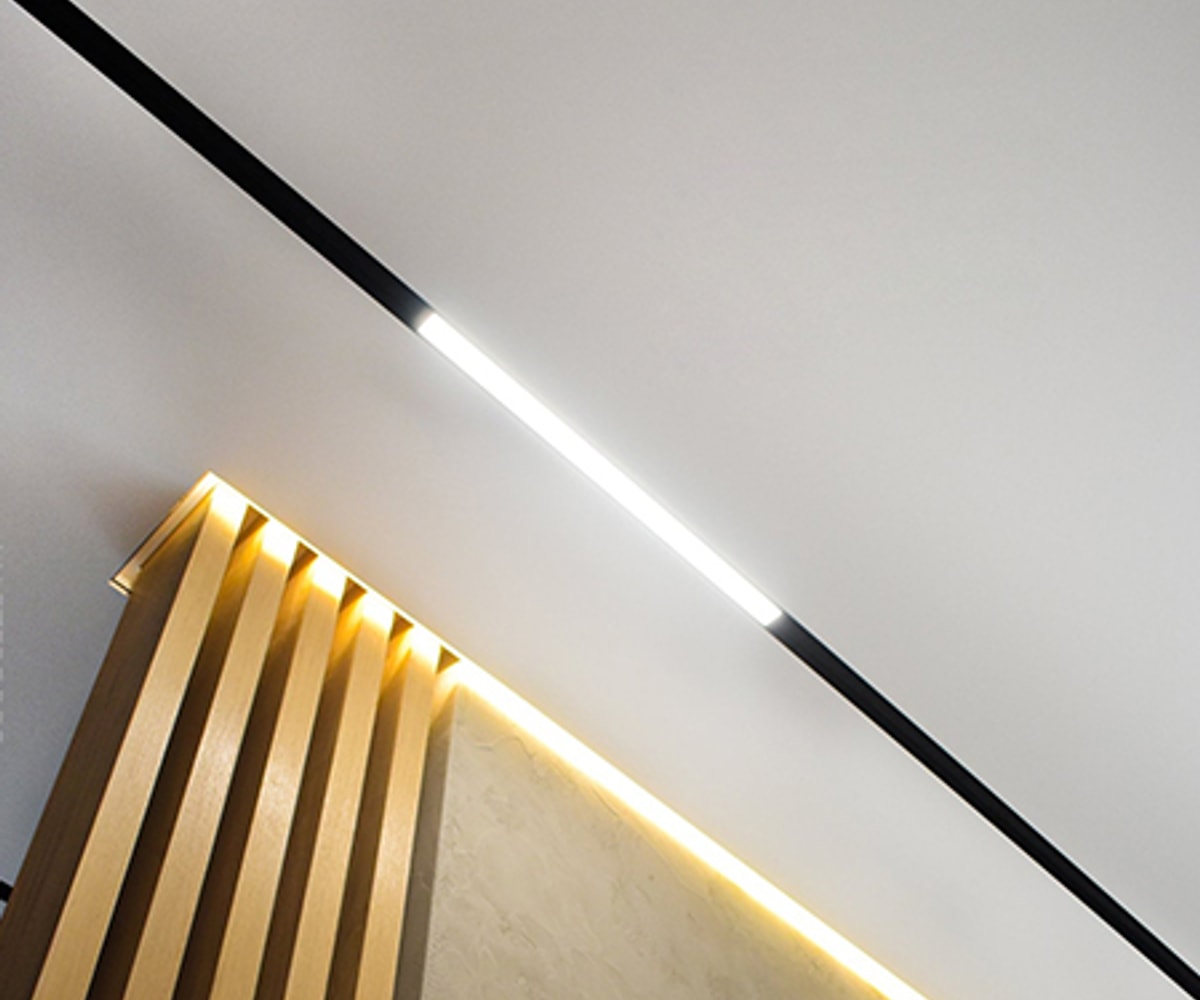
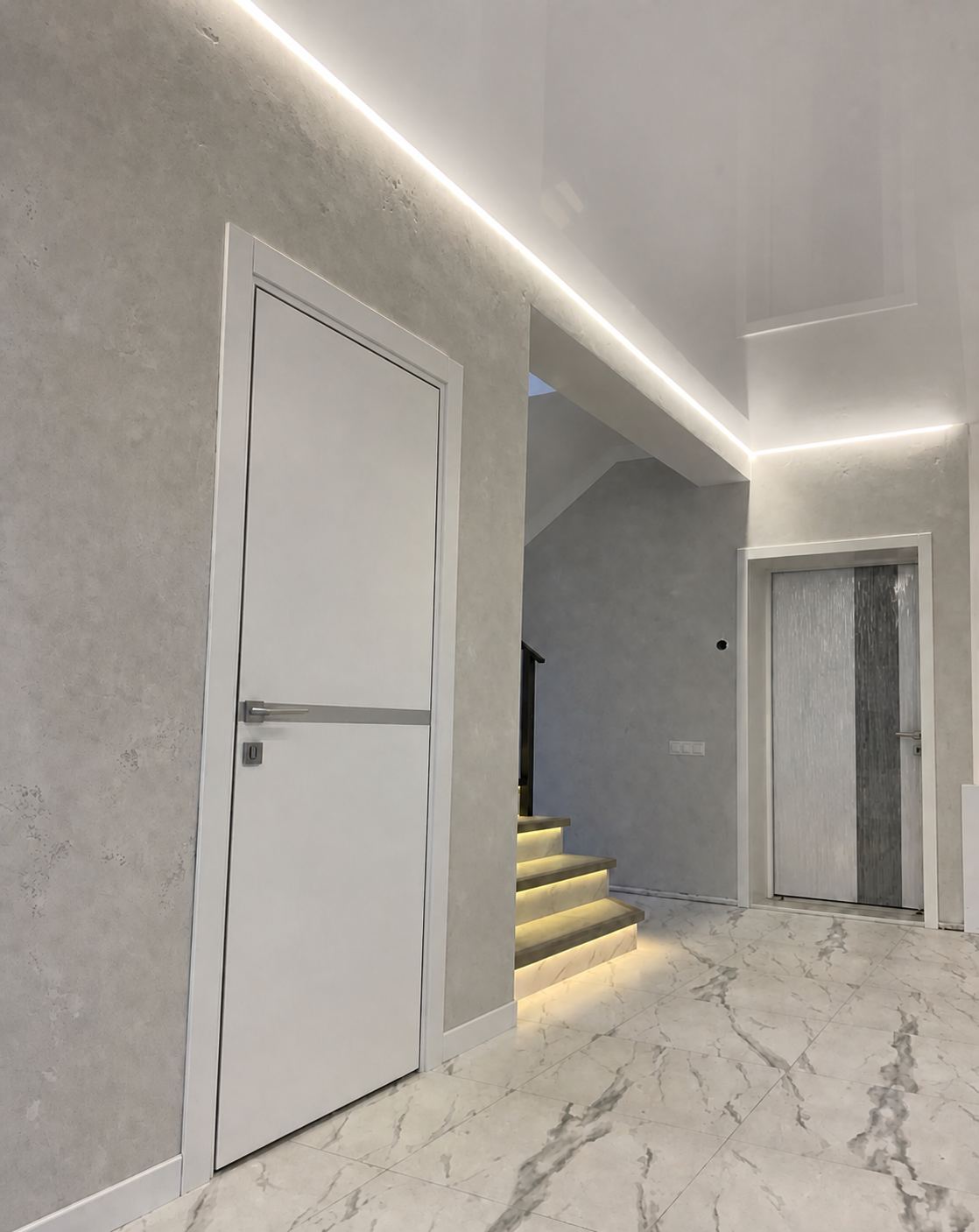
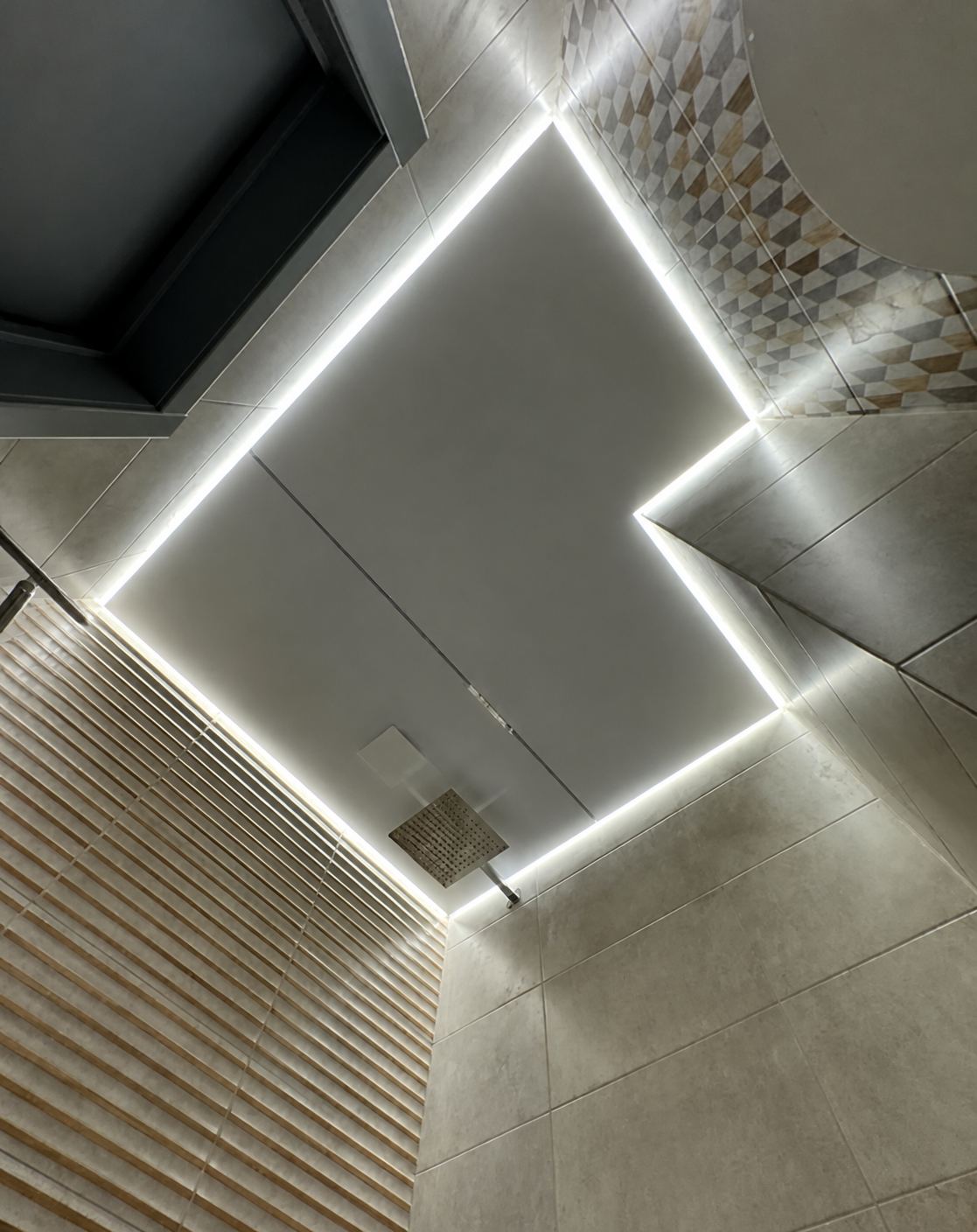
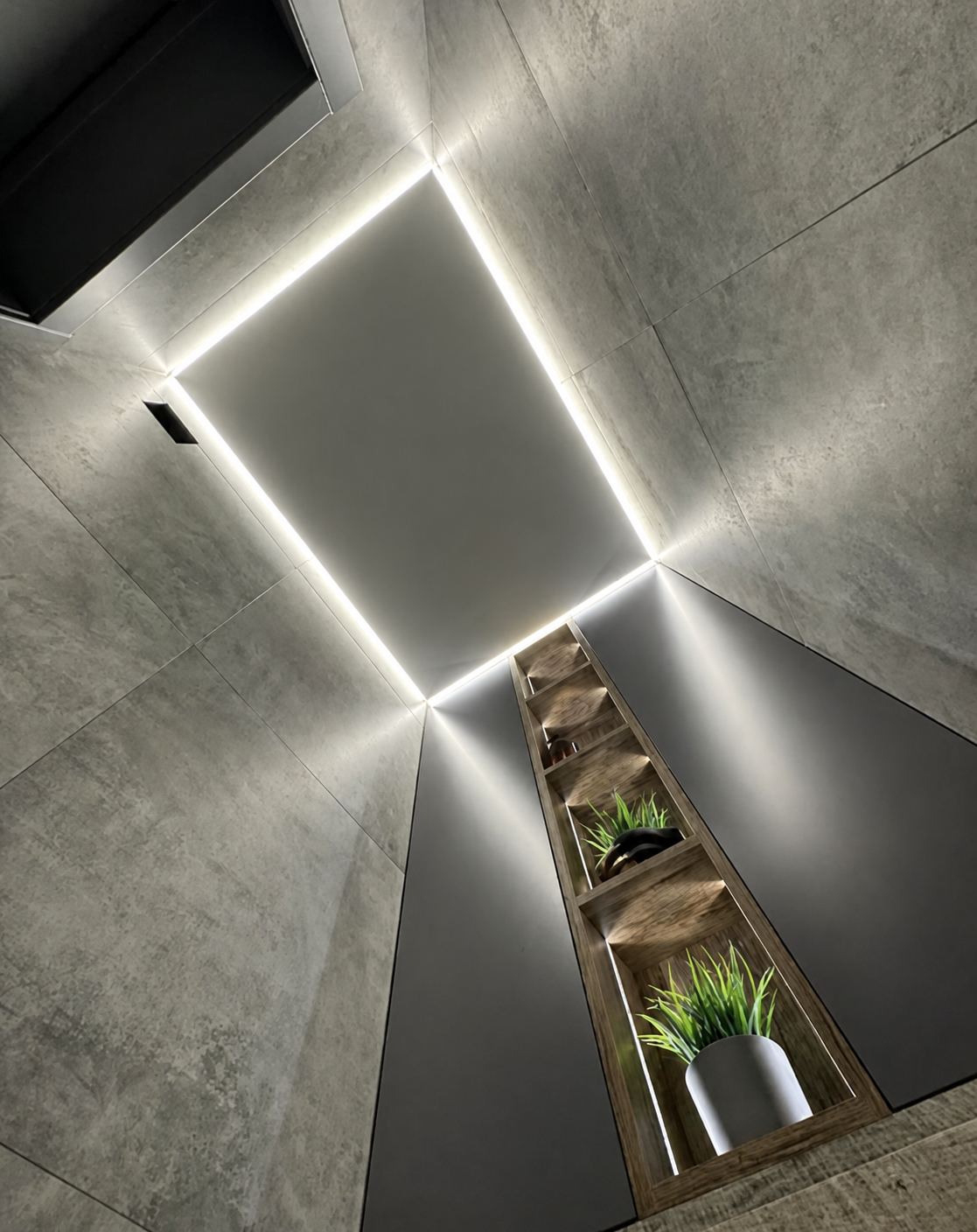
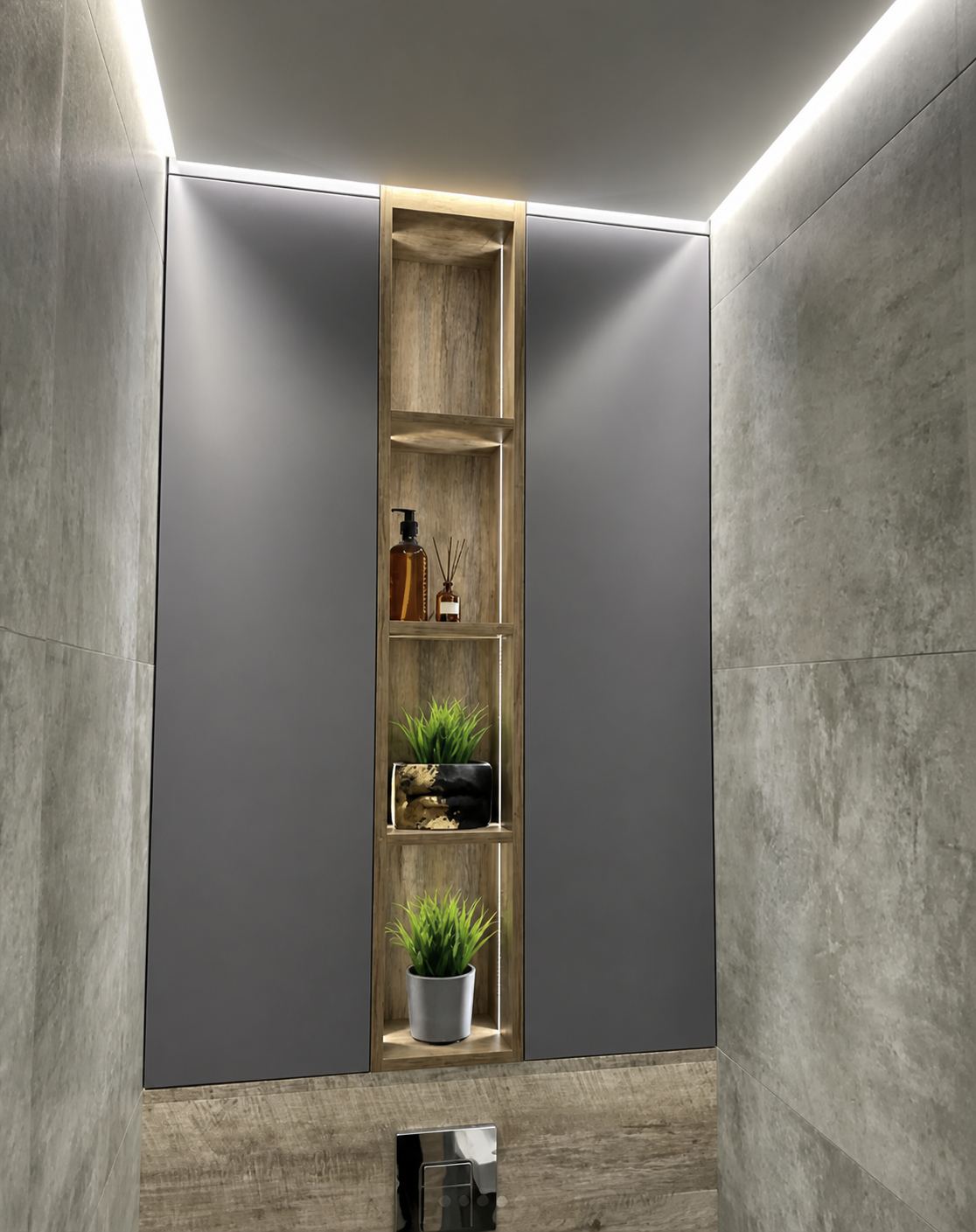
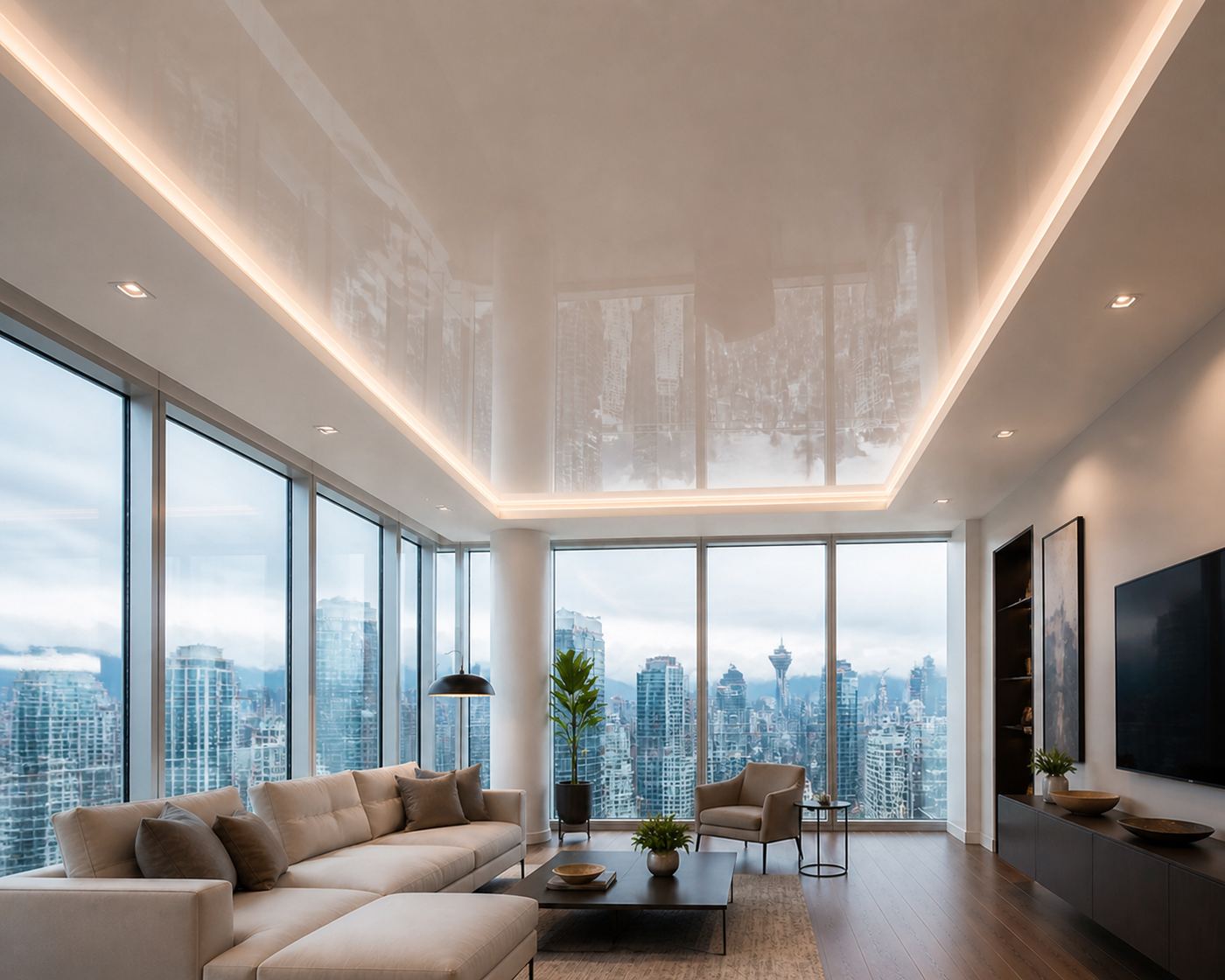
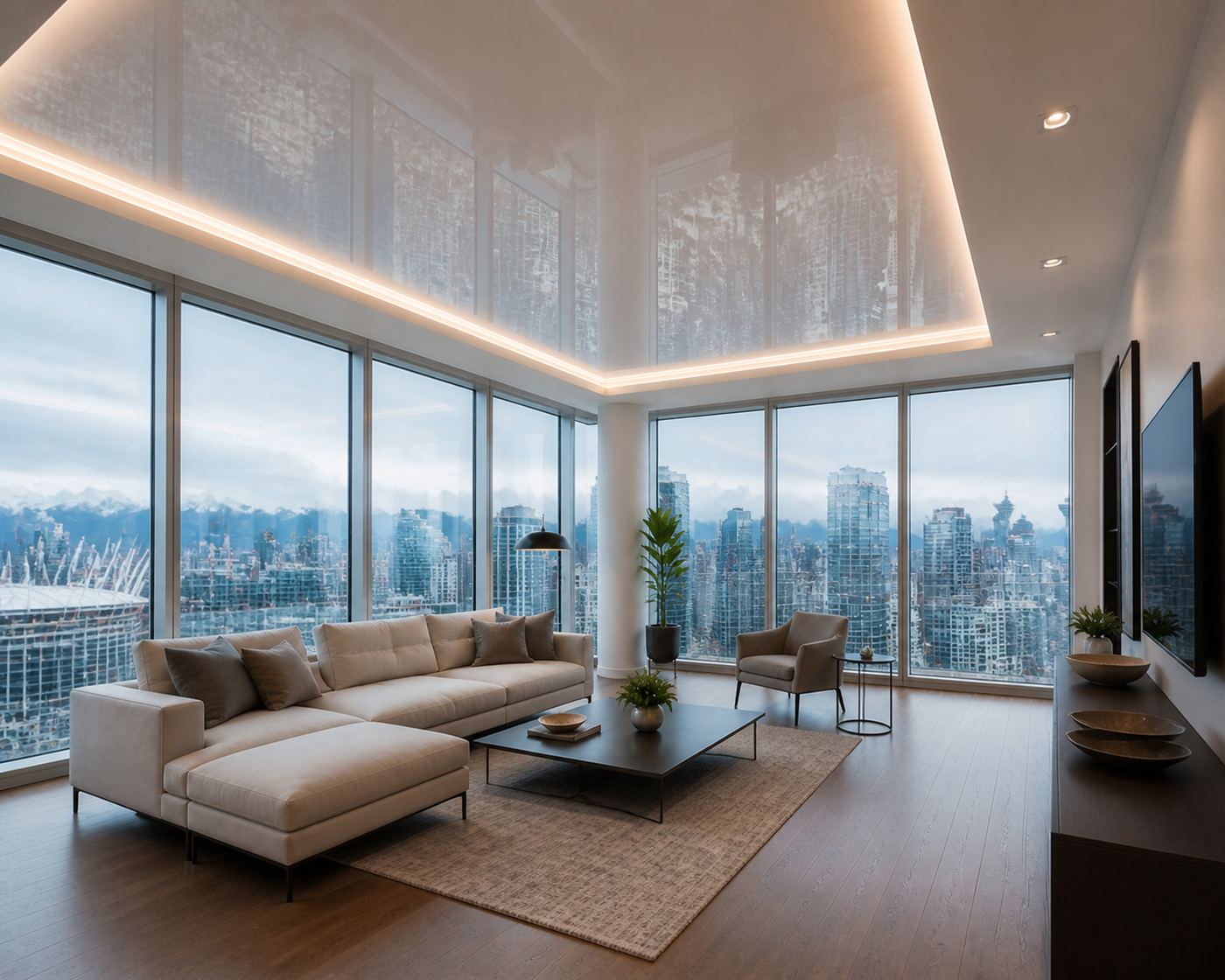
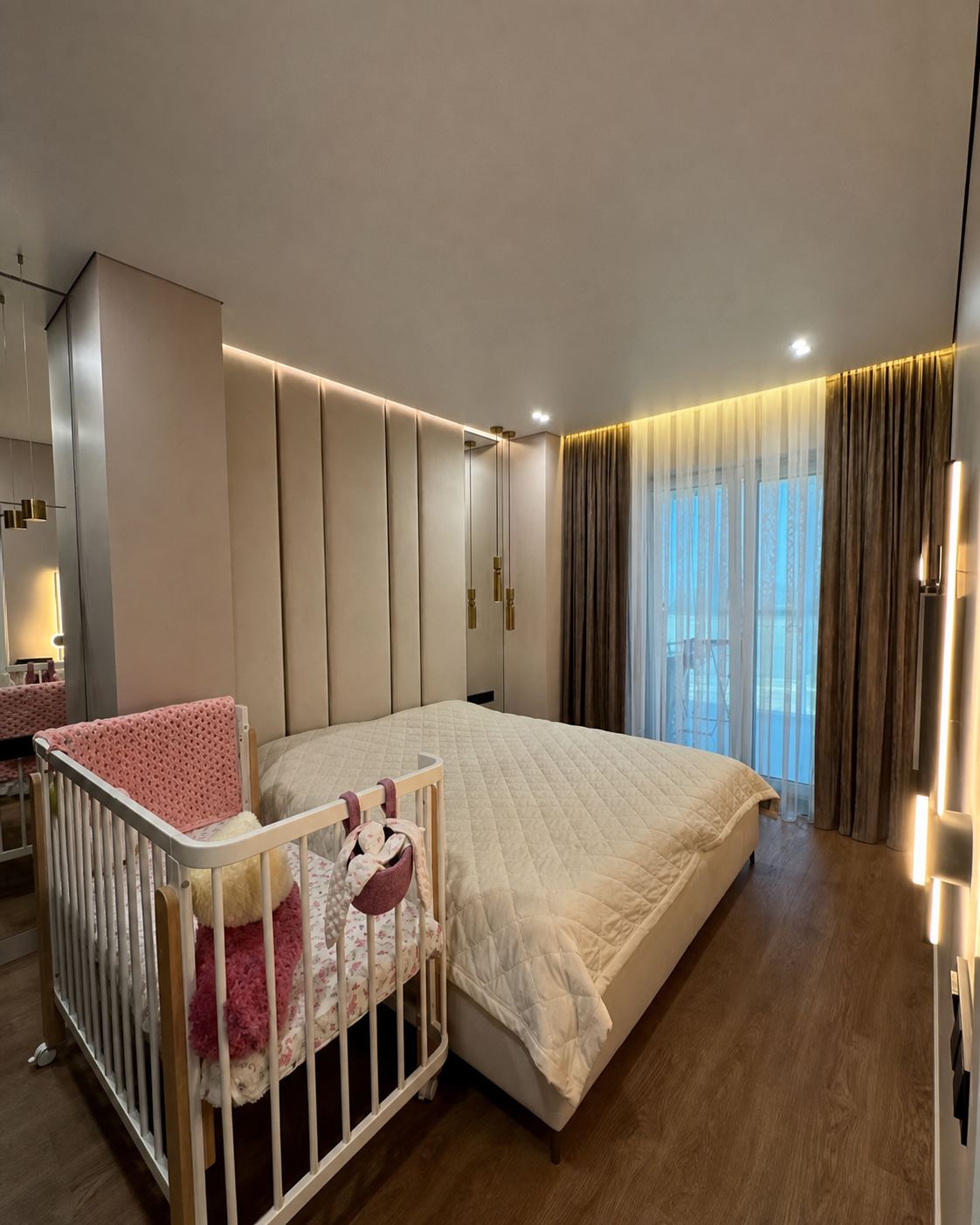
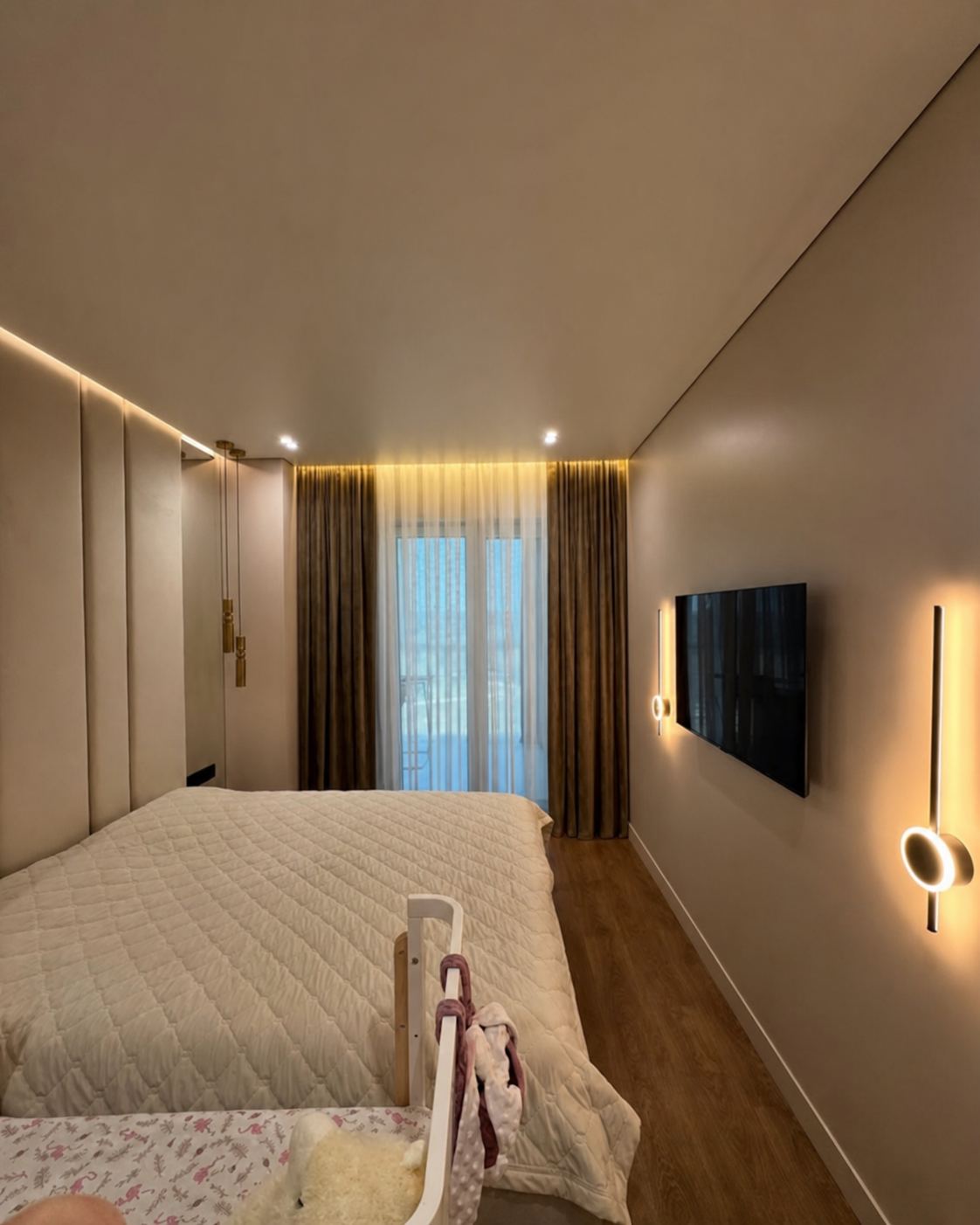
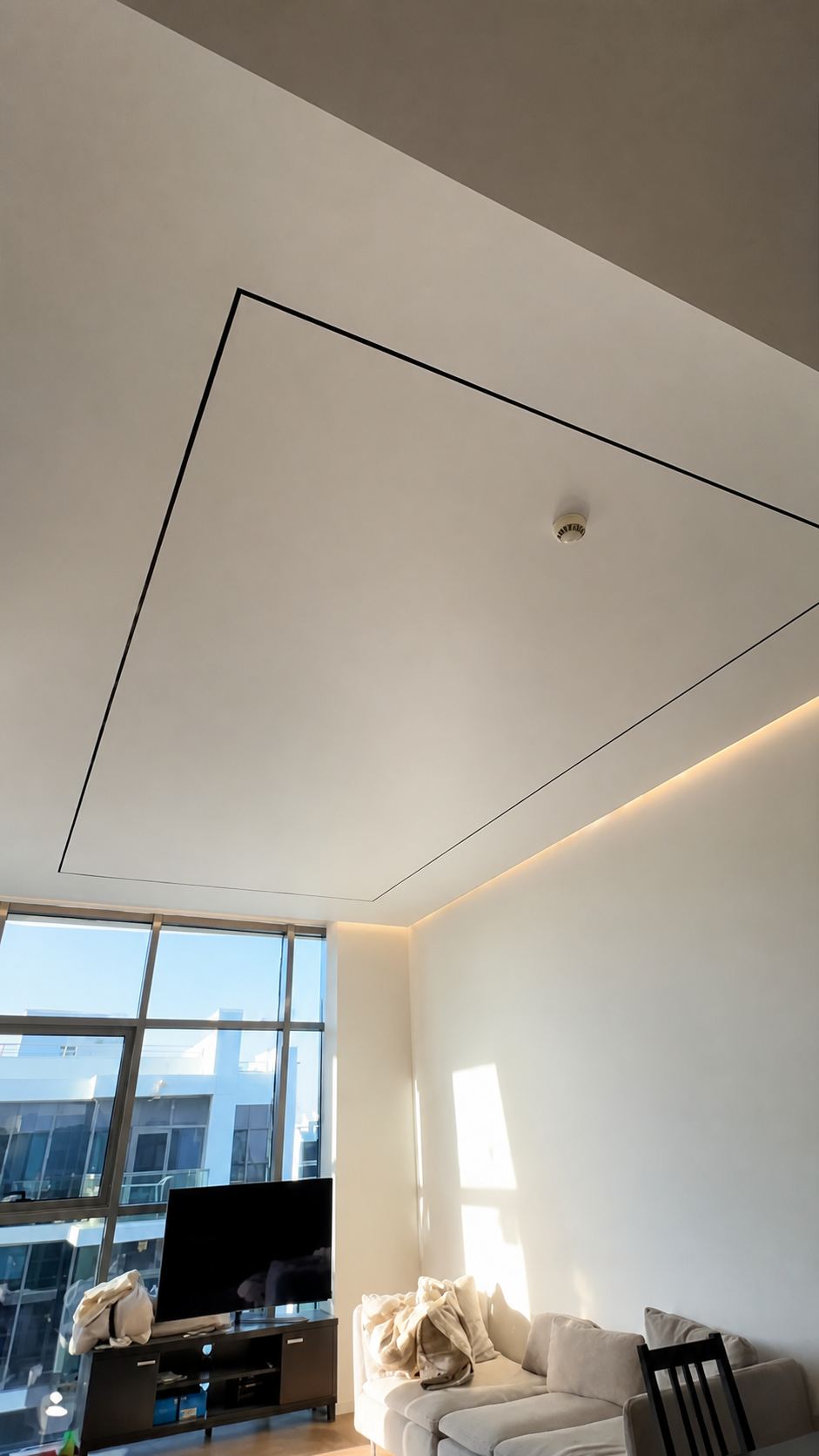
Floating Ceiling uses a raised tier with concealed LED backlighting along its edge, creating the illusion that the ceiling plane is suspended in mid-air rather than fixed to the structure.
Overview
What Is Floating Ceiling?
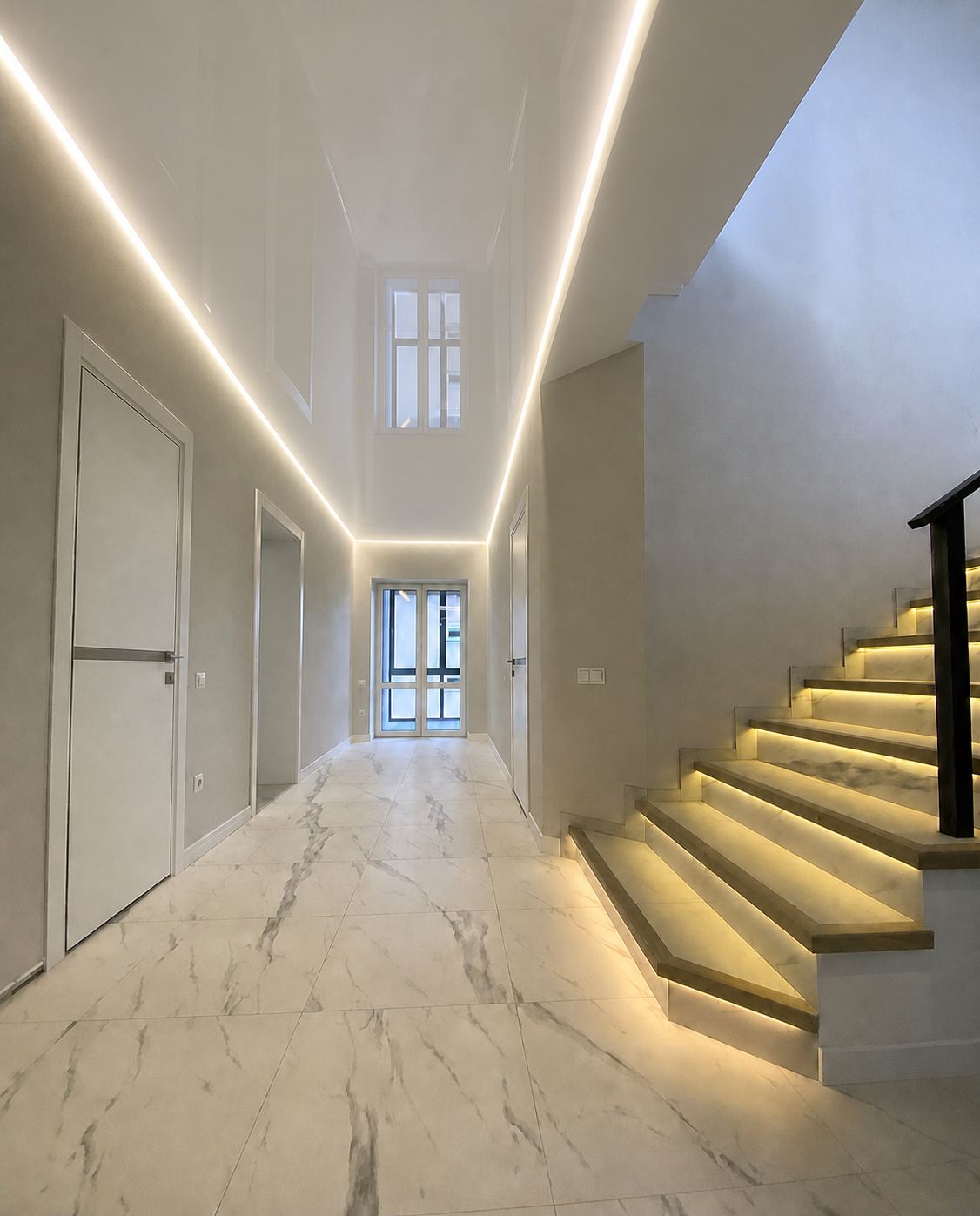
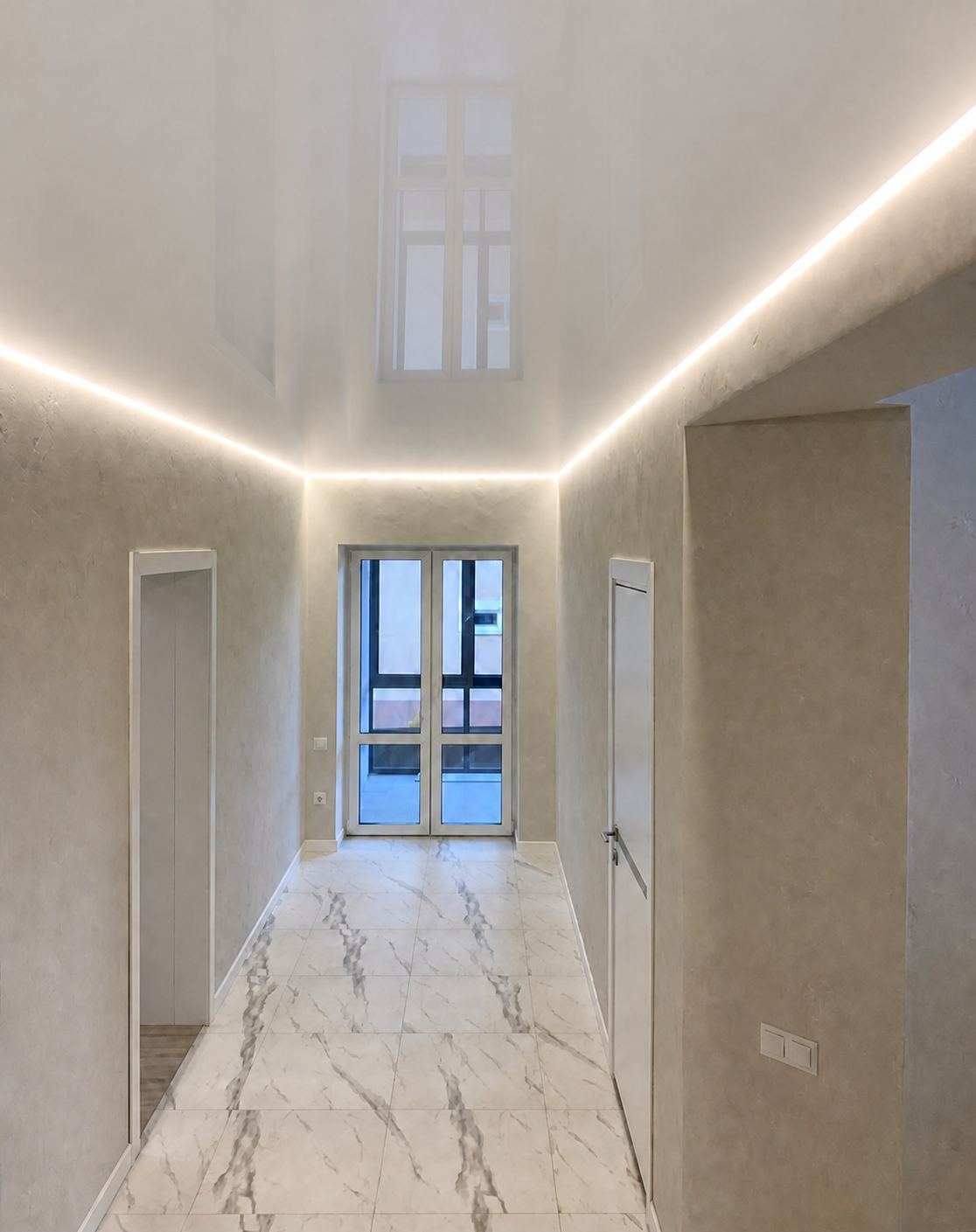
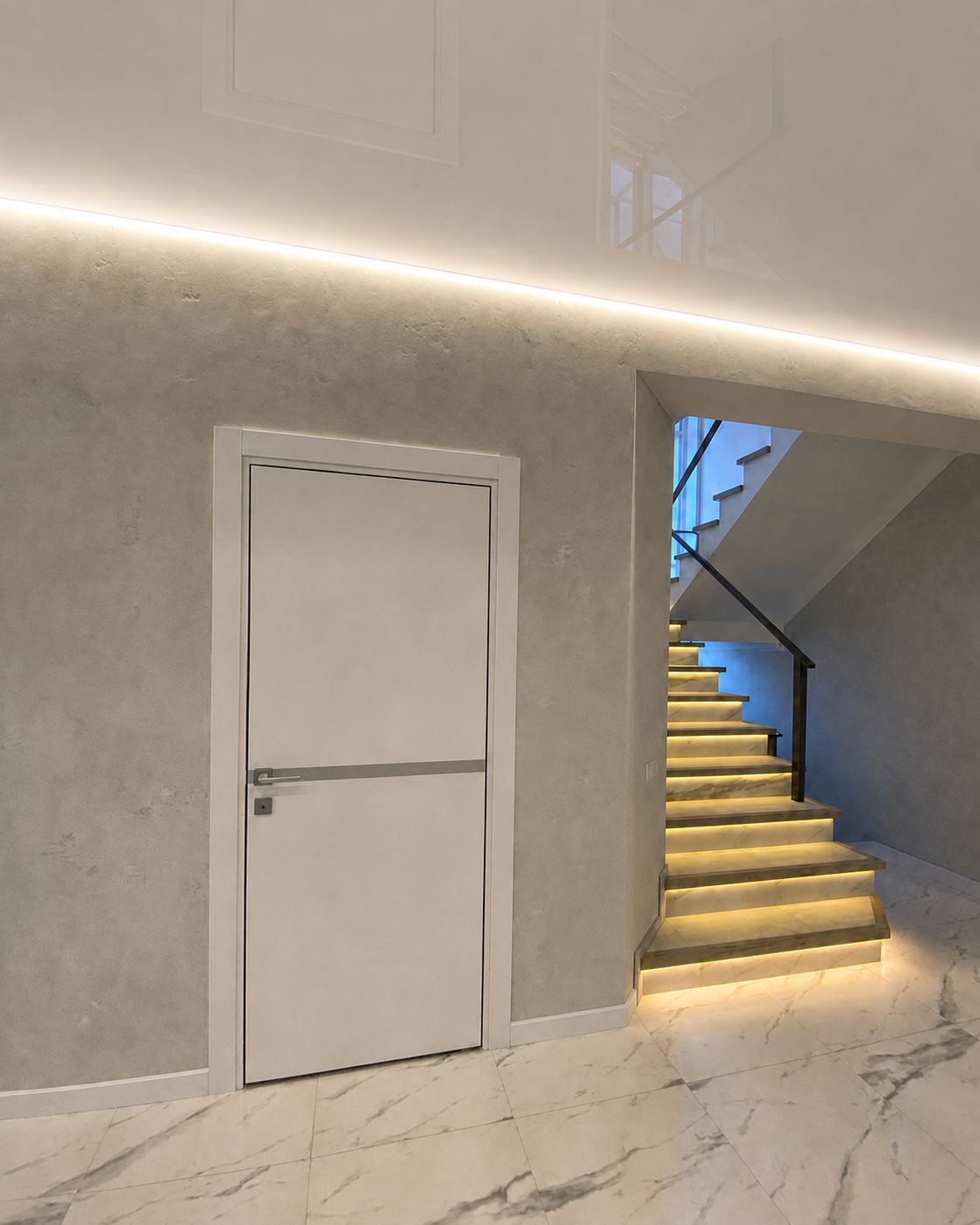
Floating Ceiling builds a raised tier below the structural ceiling, edge-lit by a hidden LED channel that washes light outward and downward — so the tier reads as if it is hovering rather than fixed in place. The soft perimeter glow also makes the room feel taller and more open, even at a standard ceiling height.
- ✓Visually raises the ceiling — soft perimeter light makes the room feel taller and more open
- ✓Remote-controlled dimming — bright for everyday use, low as a night-light glow
- ✓Works with curved or irregular room perimeters, not just straight walls
- ✓Tunable white or RGB backlighting for mood control
- ✓Defines a zone — over a bed, sofa or dining table — without walls
Detail
A Closer Look
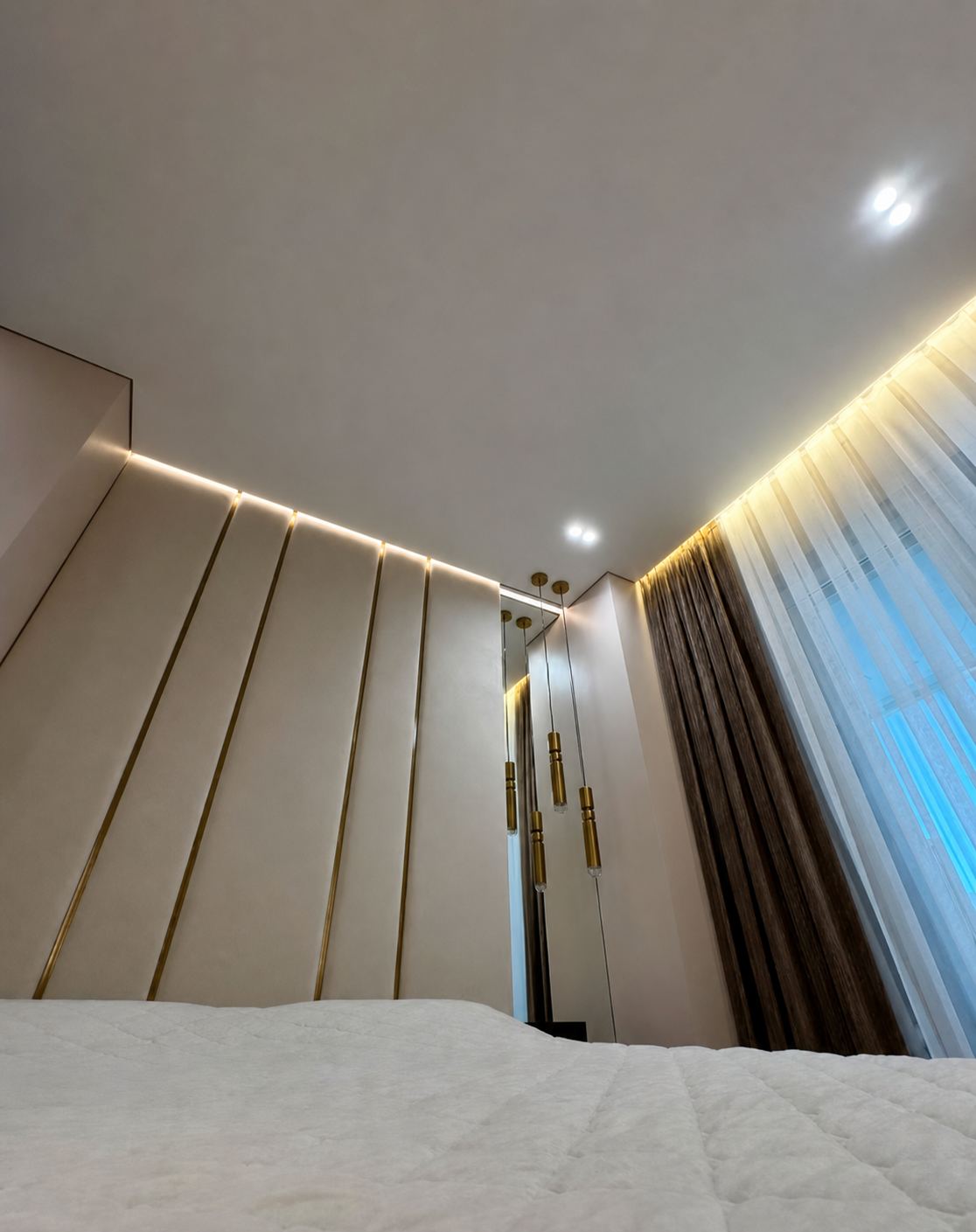
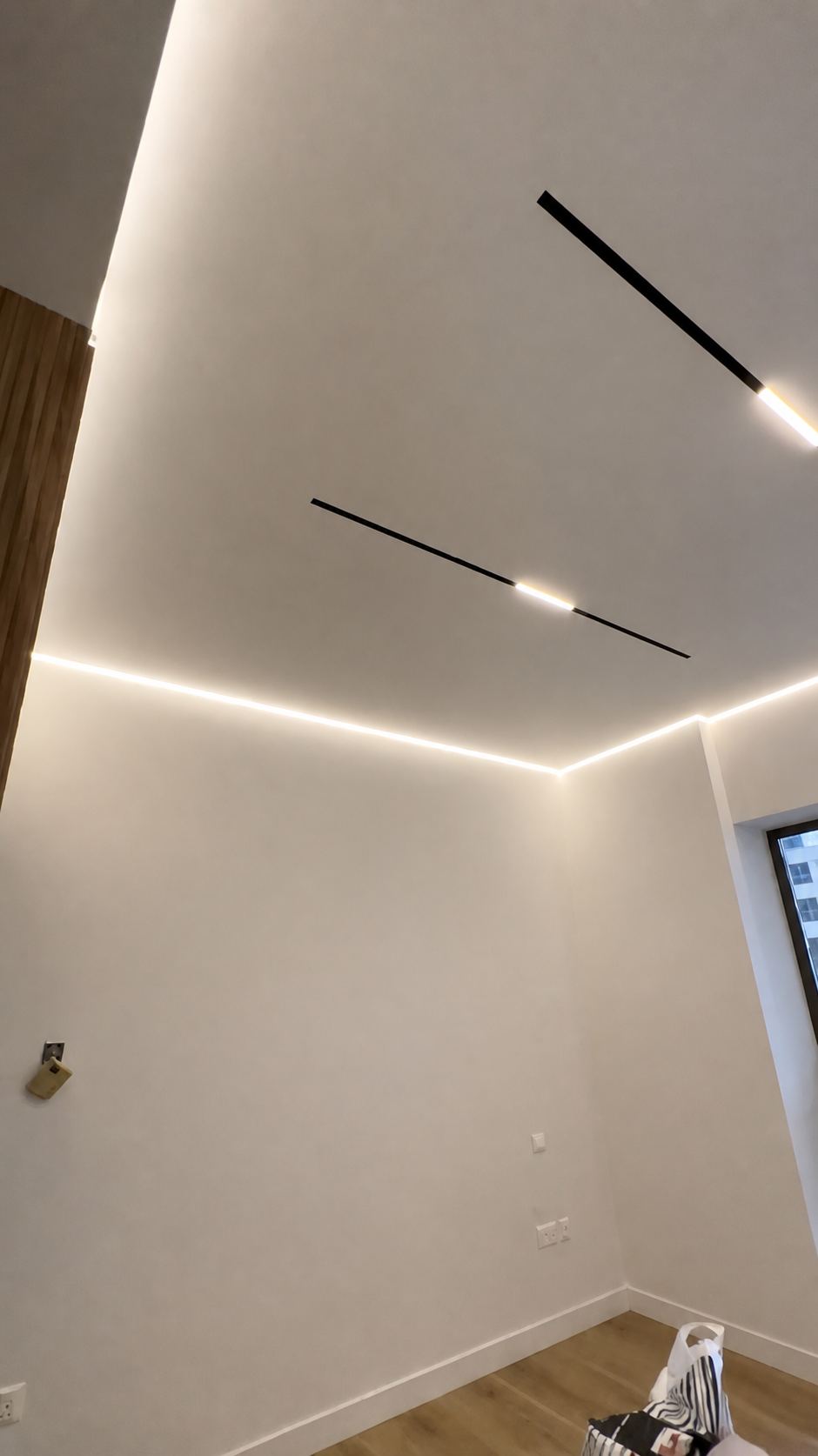
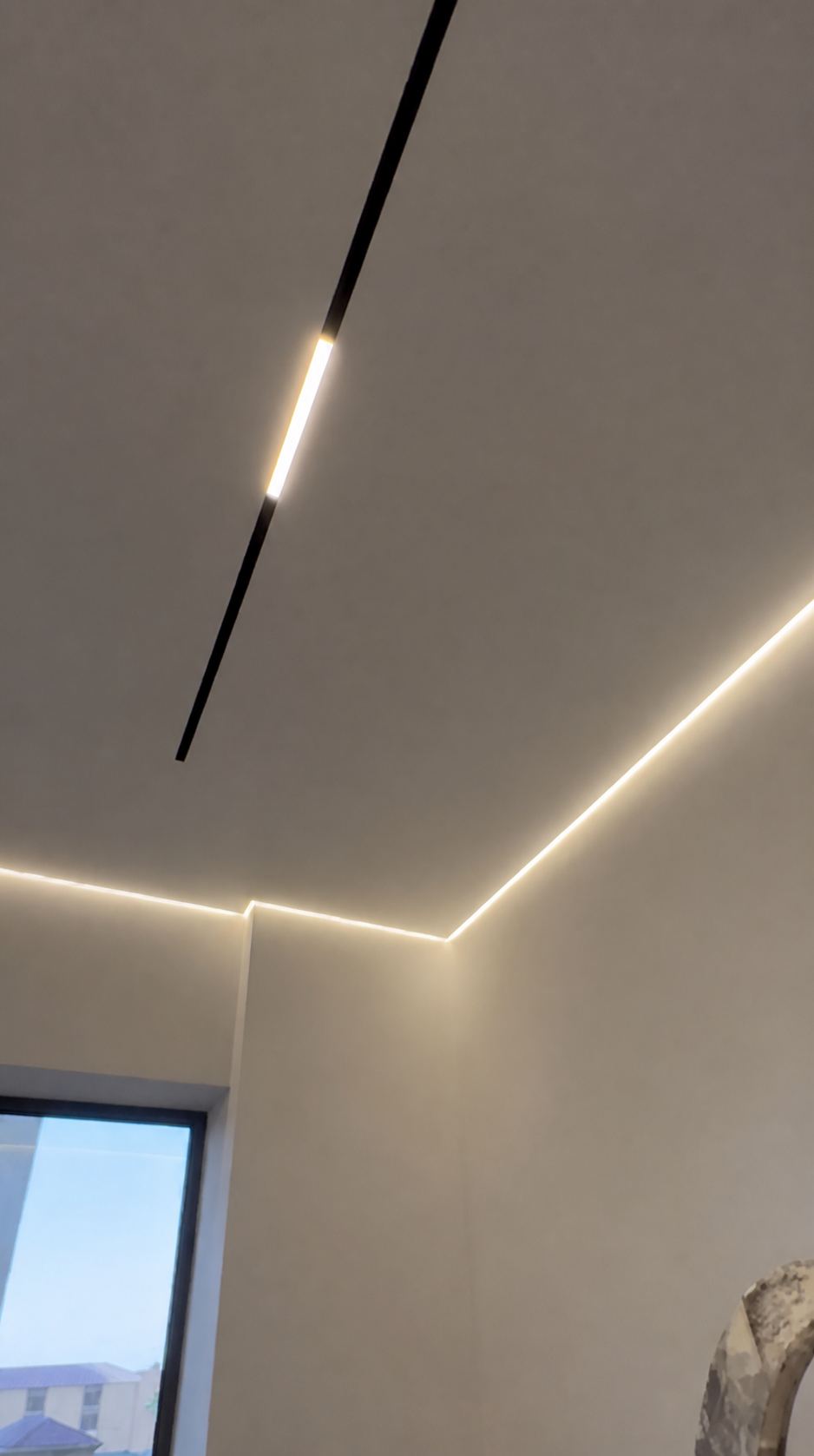
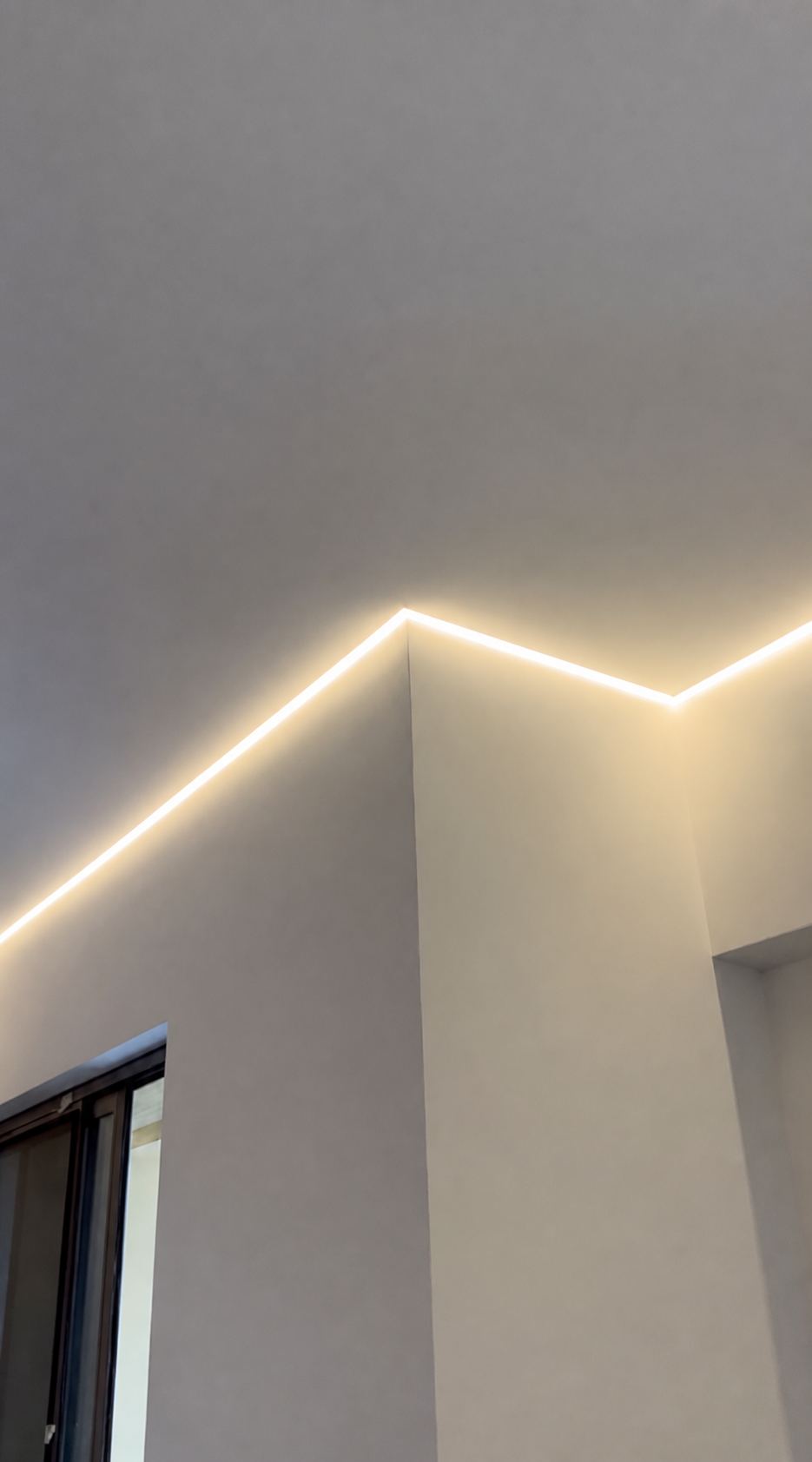
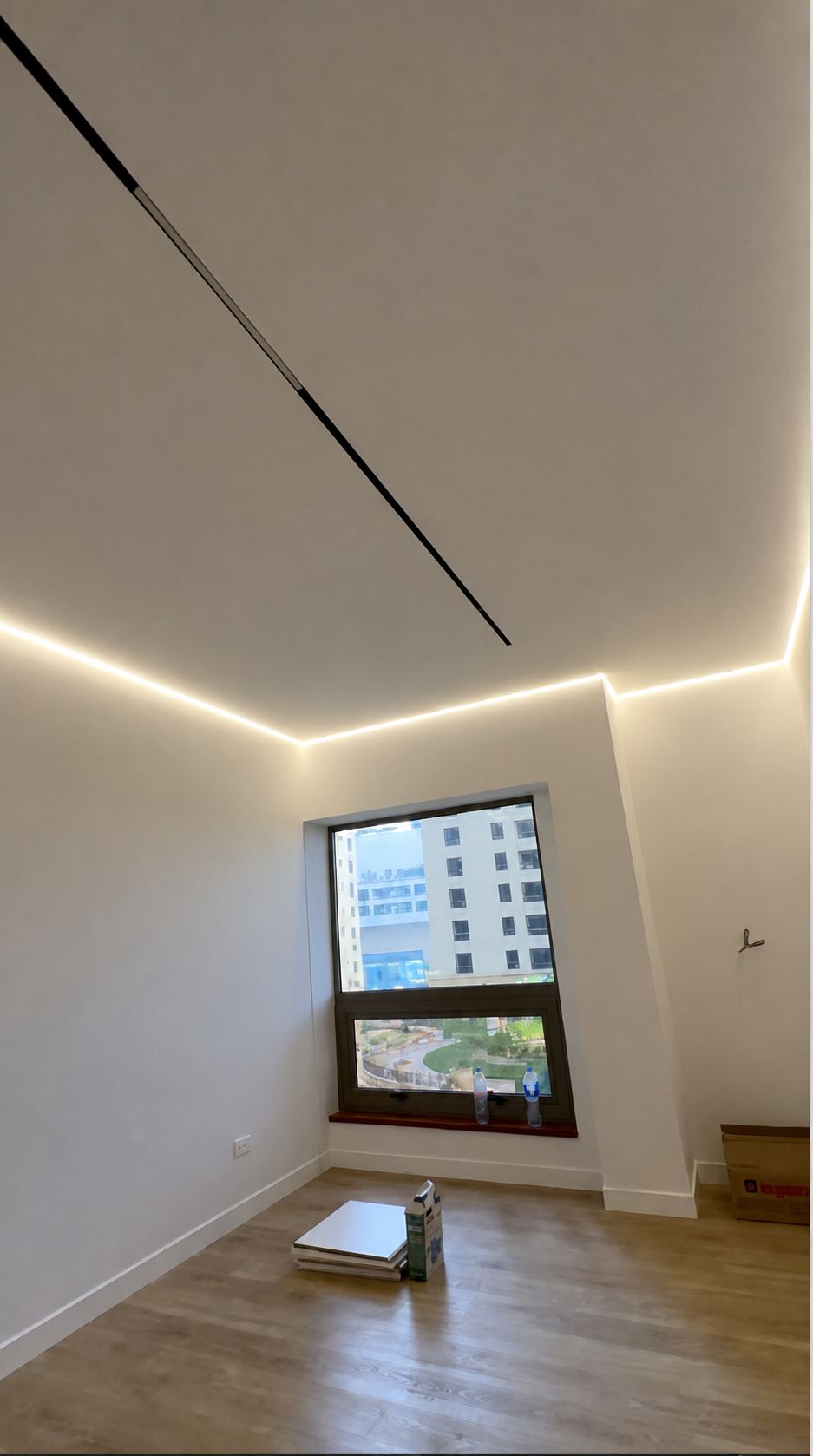
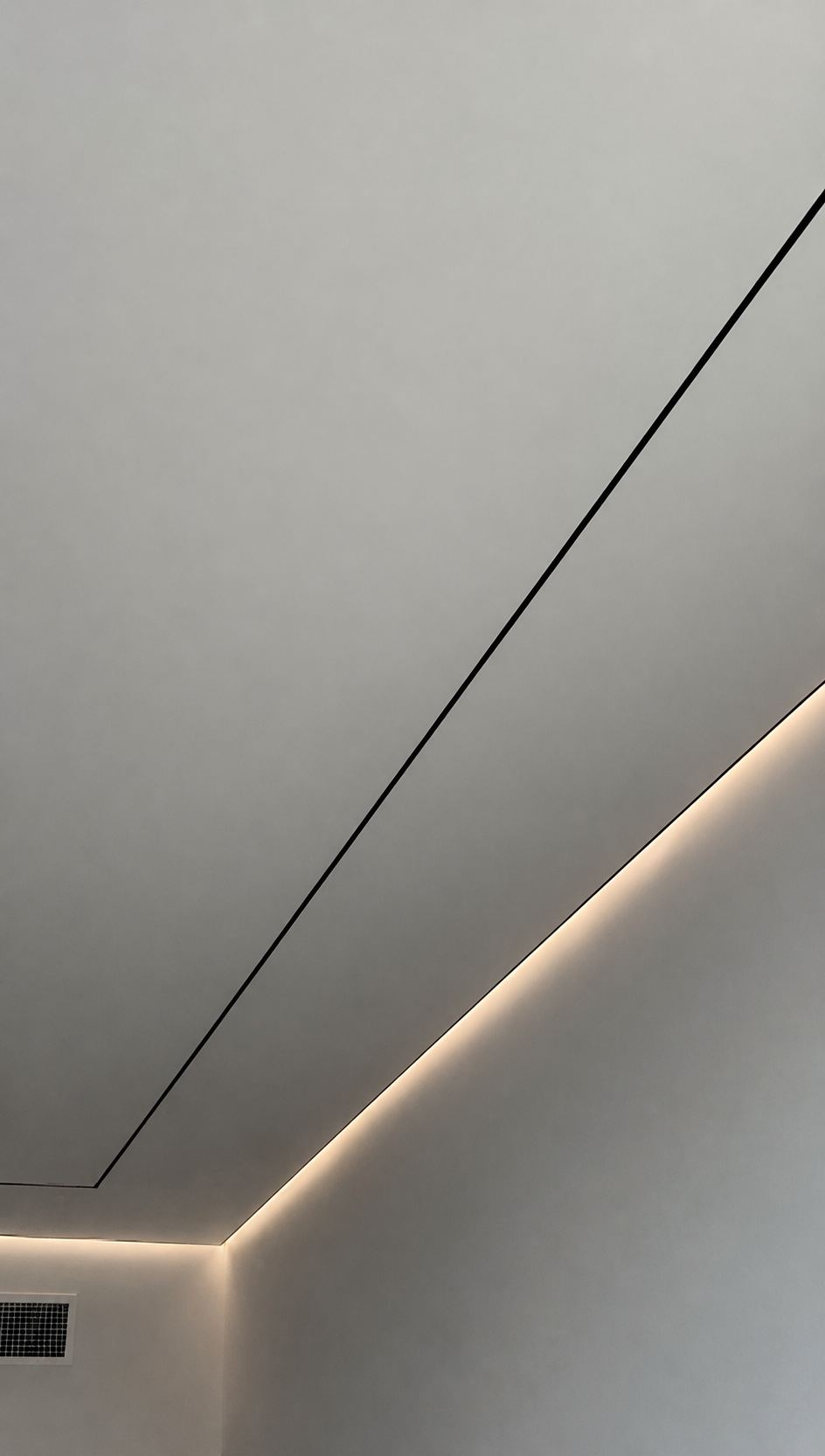
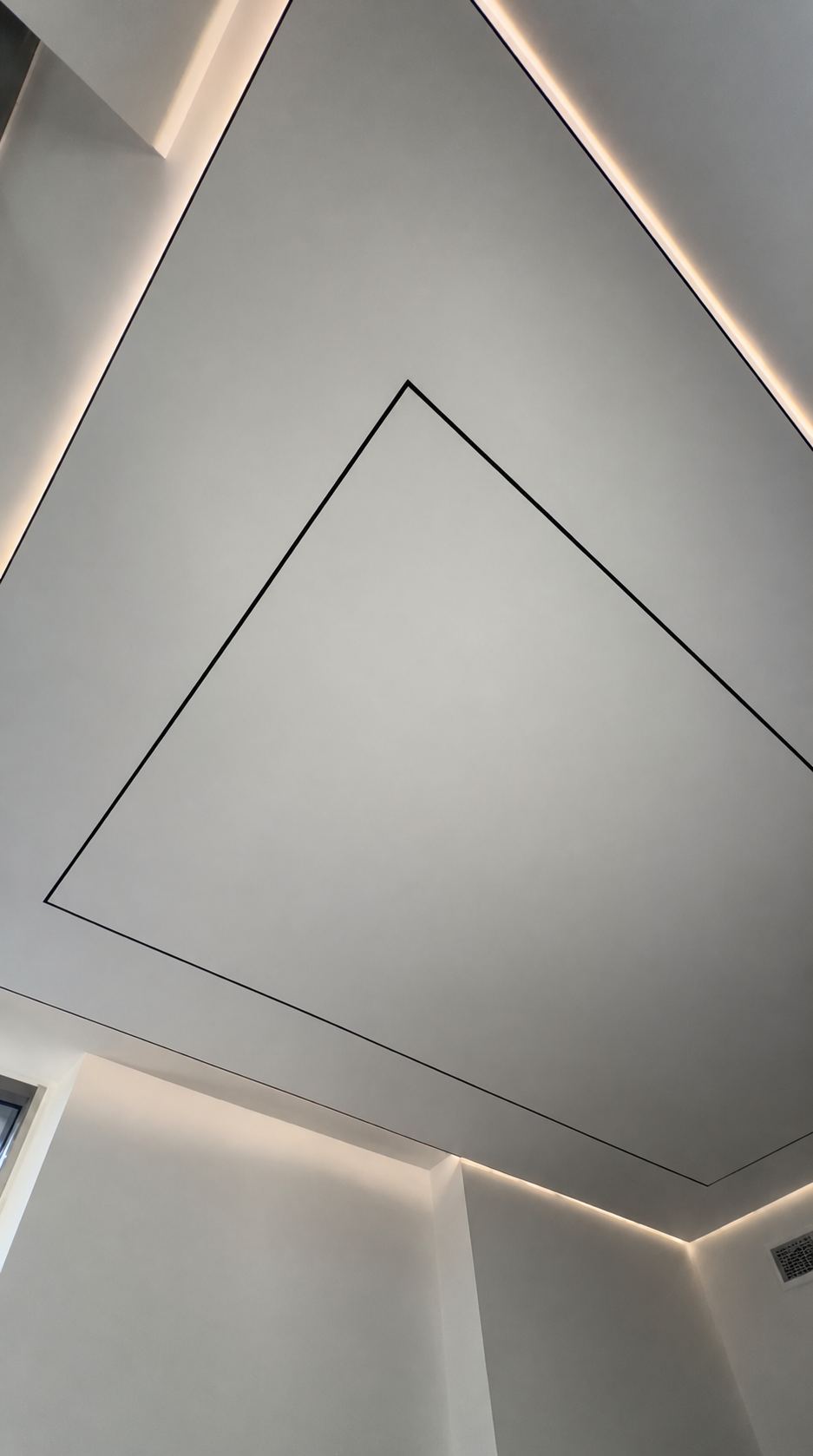
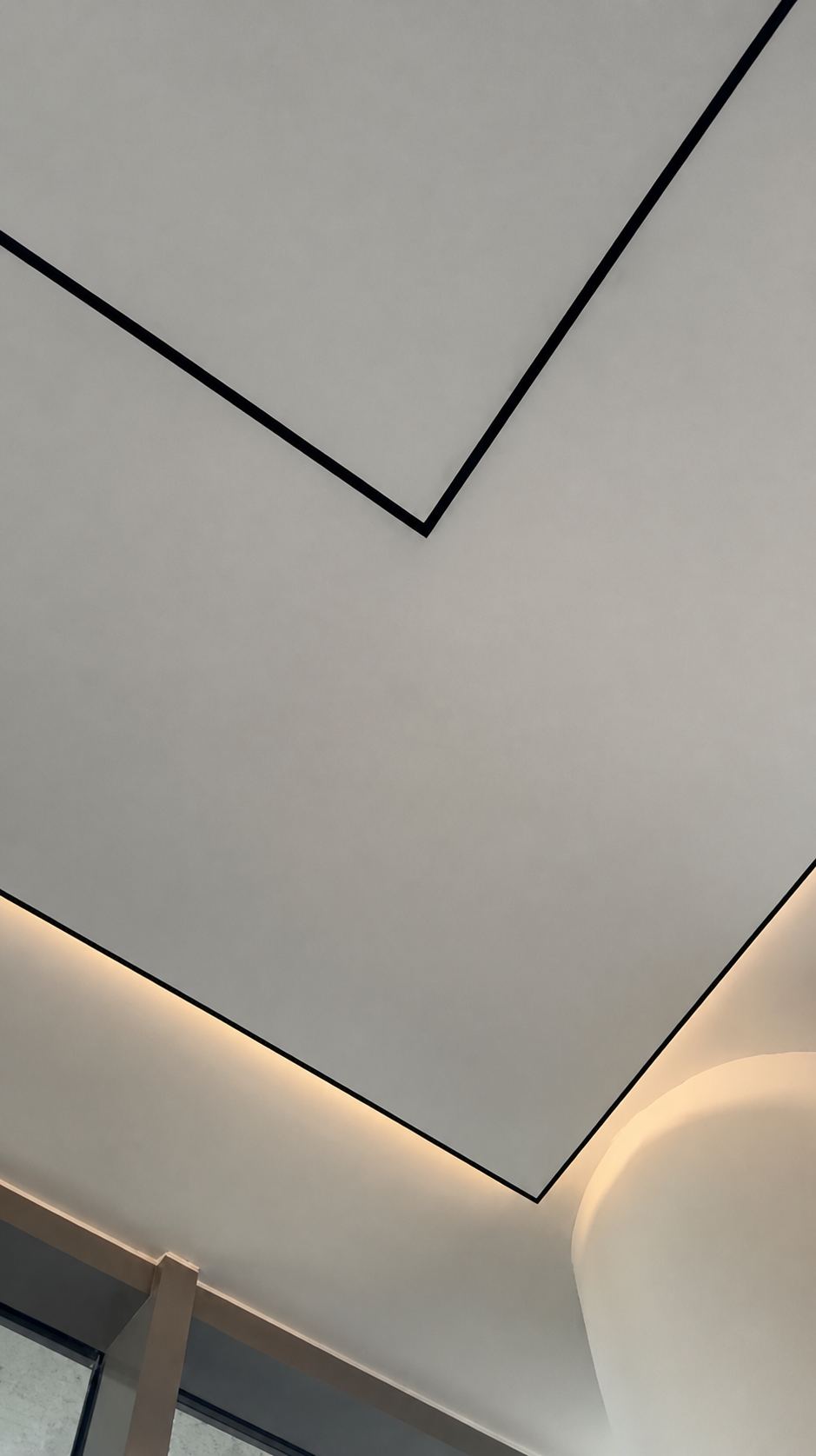
Options
Types of Floating Ceiling
By Shape
- Rectangle — the classic floating panel over a bed or seating area
- Multi-tier — two or three stacked levels for a bolder architectural statement
- Freeform — curved or custom-shaped tier to match the room
By Lighting
- Tunable white — shifts from warm to cool along one dimmer
- RGB — full colour-changing backlight for mood and occasion
- Static warm — a single warm-white glow, simplest and most subtle
By Placement
- Centered — tier floats over the room’s main focal point
- Perimeter-offset — tier set toward one wall, framing a specific zone
- Multi-zone — two floating tiers over separate functional areas
Specs
What you get
Functional specifications and finish details for this ceiling option.
Applications
Where It Works Best
A floating tier over the sofa becomes the room’s architectural centrepiece.
Positioned over the bed, it frames the space without a headboard wall.
Defines the dining zone in an open-concept layout, no pendant required.
A compact floating panel makes a strong first impression.
A moisture-resistant floating tier over the tub or vanity adds a spa-like glow.
Guidance
How to Choose
- Center the tier over the room’s focal point — a bed, sofa or dining table.
- Keep proportions in mind — the tier should feel sized to the furniture below it, not the whole room.
- Choose tunable white for everyday flexibility, RGB if mood lighting is a priority.
- Check ceiling height before committing to a multi-tier design — it needs the clearance to read as dimensional.
- Plan furniture placement first — moving a bed or sofa later may leave the tier off-centre.
FAQ
Common Questions About Floating Ceiling
What is a Floating Ceiling?
Floating Ceiling is a raised tier built below the main ceiling, with a hidden LED channel along its edge that lights the tier from below — making the section appear to hover rather than sit flush against the ceiling.
How much does a Floating Ceiling cost in Vancouver?
Floating Ceiling starts around $16 per sq. ft. installed, depending on tier size, shape and lighting spec. Book a free in-home measure for an exact, no-obligation quote.
Does a Floating Ceiling lower the room significantly?
Only within the tier itself, typically a few inches — the rest of the ceiling stays at full height, which is part of what makes the tier read as “floating” rather than a full dropped ceiling.
Can the floating tier be any shape?
Yes — rectangles are most common, but curved, freeform and multi-tier layouts are all possible depending on the room and ceiling height.
Does Sky Shell install Floating Ceiling outside Coquitlam?
Yes — we serve all of Metro Vancouver, including Vancouver, Burnaby, Surrey, Richmond, New Westminster, North Vancouver, West Vancouver, Port Moody, Maple Ridge, Langley and Delta.
Book a free measure
Ready to transform your ceiling?
We’ll help you choose the right finish, layout and lighting options.